Introduction
When businesses think about website security, they often imagine hackers breaking into systems, stealing data, or taking down websites. However, not every security risk begins with a direct attack. Sometimes, a website becomes vulnerable because of small issues that go unnoticed for months. An outdated plugin, a weak password, or a missing backup may seem harmless at first, but these oversights can expose a business to serious problems. Whether you run a small business website, an e-commerce store, or a corporate website, understanding these hidden risks is an important step towards protecting your digital presence.
1. Outdated Software and Plugins
Websites often rely on content management systems, themes, plugins, and other software to function properly. While these tools make website development easier, they also require regular updates. Developers release updates to fix bugs, improve performance, and address known security vulnerabilities. When website owners ignore these updates, their websites may remain exposed to weaknesses that attackers already know how to exploit. Keeping software, plugins, and themes updated helps reduce these risks and keeps the website functioning as intended. Before installing any plugin or theme, it is also important to check whether it is maintained regularly and comes from a trustworthy source.
2. Weak Passwords and Poor Access Management
A website can have a professional design and reliable hosting, but weak login credentials can still put it at risk. Passwords such as simple number sequences, common words, or easily guessed personal information can make administrator accounts easier to compromise. The risk increases when multiple employees share the same login credentials or when former employees retain access to the website. Businesses should use strong, unique passwords, enable multi-factor authentication wherever possible, and provide each team member with only the access they need. Reviewing user accounts regularly and removing unnecessary access can also help prevent unauthorized changes to website content and settings.
3. Missing or Outdated Backups
Imagine spending months building a website, only to lose important pages, customer information, or business content because of a technical failure or security incident. Without a reliable backup, recovering from such an event can be difficult, expensive, and time-consuming. Backups are often overlooked because they do not directly affect how a website looks or performs during everyday use. However, maintaining regular backups can make a significant difference when something goes wrong. Businesses should automate backups where possible, store copies in a separate secure location, and periodically test whether those backups can actually be restored. A backup is useful only when it is accessible and works when needed.
4. Insecure Contact Forms and Data Collection
Contact forms, enquiry forms, newsletter subscriptions, and customer registration pages are common features on business websites. They help businesses communicate with visitors and collect useful information, but they can also introduce security risks if they are not configured properly. Forms without appropriate validation or protection may be vulnerable to spam, malicious inputs, or attempts to exploit weaknesses in the website. Businesses should ensure that forms use secure connections through HTTPS, validate submitted data on the server, and collect only the information genuinely required. Sensitive customer information should be handled and stored securely, with suitable access controls and data protection practices in place.
5. Neglecting Website Maintenance
Launching a website is not the end of the development process. Websites require ongoing attention as software changes, business requirements evolve, and new security vulnerabilities emerge. A website that is never reviewed may develop broken links, outdated components, configuration issues, or other weaknesses over time. Regular maintenance helps identify these problems before they become more serious. Businesses should periodically review website functionality, monitor unusual activity, check security settings, update dependencies, and confirm that backups are working. Having a clear maintenance routine also makes it easier to identify unexpected changes and respond to potential issues promptly.
How Can Businesses Protect Their Websites?
Protecting a website does not always require complicated security systems or a large technical team. Businesses can begin with a few consistent practices: keeping software updated, using strong passwords and multi-factor authentication, maintaining tested backups, securing forms, and reviewing access permissions. Using HTTPS, selecting a reputable hosting provider, monitoring website activity, and arranging periodic security assessments can provide additional protection. The right approach depends on the website's purpose, the type of information it handles, and the potential impact of a security incident. For businesses that lack in-house technical expertise, working with an experienced web development and maintenance team can help establish a more reliable security routine.
Conclusion
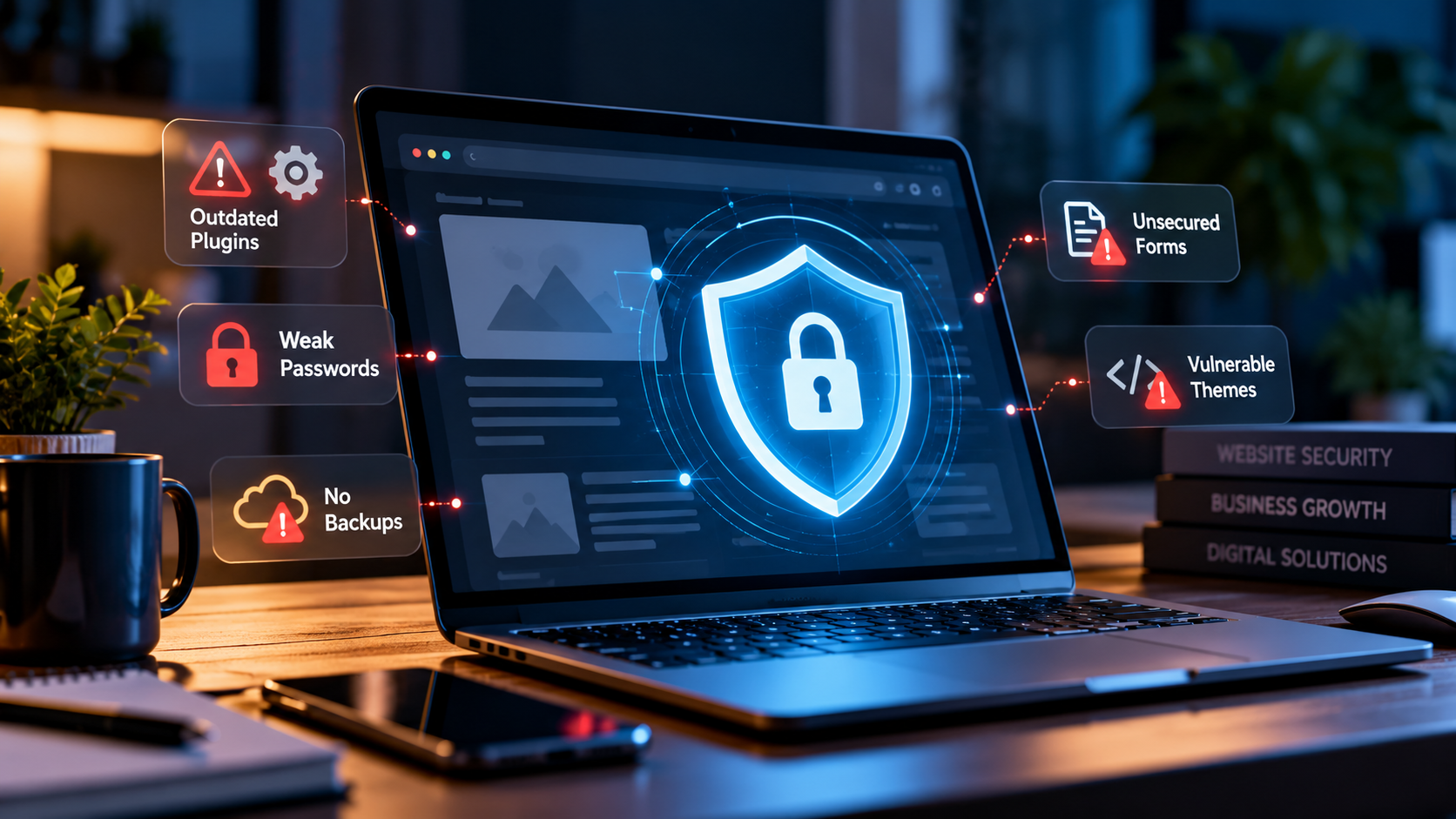
A business website does not have to experience a dramatic hacking incident to face security problems. Often, the biggest risks begin with everyday oversights that are easy to ignore until something goes wrong. Outdated plugins, weak passwords, missing backups, insecure forms, and neglected maintenance can all create opportunities for avoidable problems. By treating website security as an ongoing responsibility rather than a one-time task, businesses can reduce risks, protect their digital assets, and build greater trust with their customers. A secure website is not simply about preventing attacks; it is about maintaining a dependable online presence that supports the business over time.