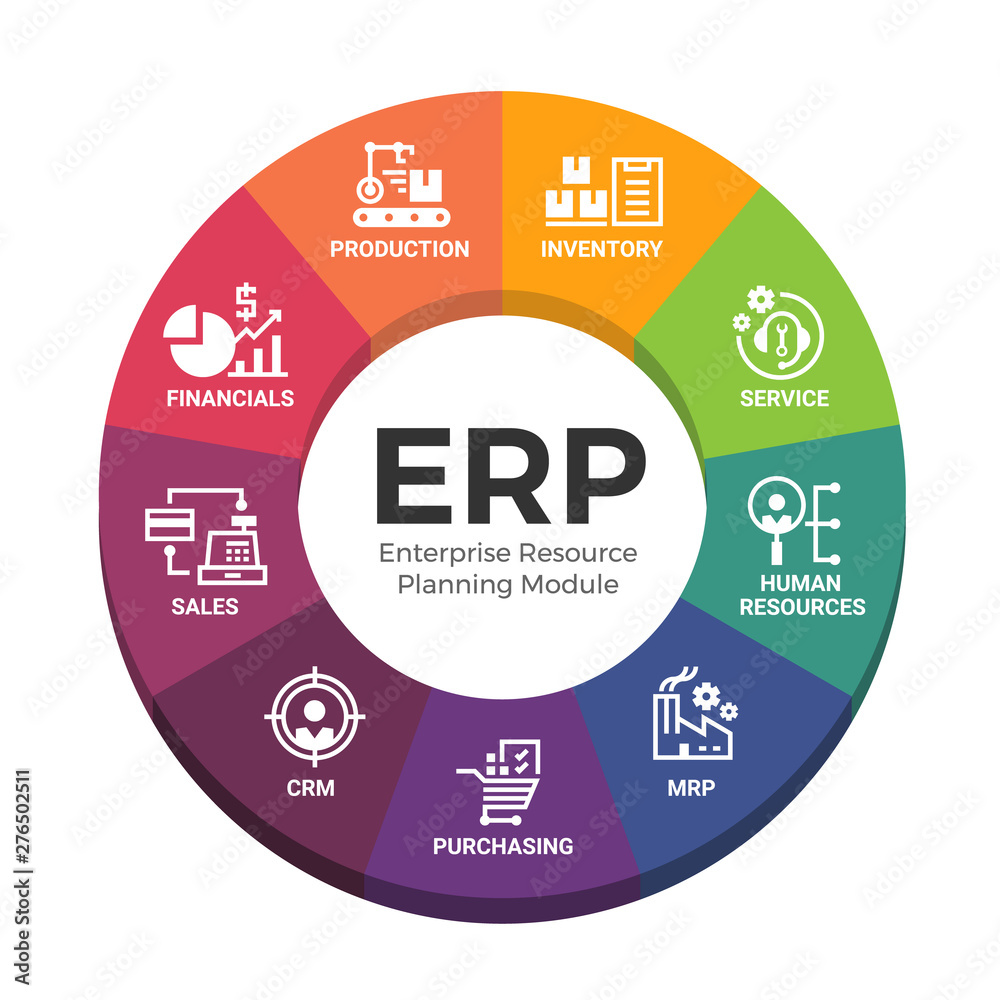
In today's fast-paced digital marketplace, maintaining accurate inventory information across multiple sales channels is essential for business success. As businesses expand their online presence, managing stock manually between warehouses, enterprise systems, and eCommerce websites can become increasingly complicated. This is where ERP integration with websites plays an important role. By connecting an Enterprise Resource Planning (ERP) system directly to an eCommerce website, businesses can synchronize inventory data automatically, improve operational efficiency, and deliver a smoother shopping experience.
What Is ERP Integration?
ERP integration is the process of connecting an Enterprise Resource Planning system with other business platforms, such as eCommerce websites, customer relationship management (CRM) software, accounting tools, and warehouse management systems. An ERP system acts as a centralized platform that manages essential business operations, including inventory, purchasing, order processing, finance, and supply chain activities.
When an ERP system is integrated with a website, both platforms can exchange information automatically. Whenever a customer places an order, the website communicates with the ERP system to update inventory levels. Similarly, when new stock arrives at the warehouse, the updated quantity can be reflected on the website without requiring employees to make manual changes.
Why Businesses Need Real-Time Inventory Synchronization
Inventory accuracy directly affects customer satisfaction, sales performance, and business profitability. Without proper synchronization, businesses may experience situations where products appear available on their websites even though they are out of stock. This can lead to cancelled orders, delayed deliveries, customer complaints, and lost revenue.
Real-time inventory synchronization helps eliminate these problems by keeping product availability consistent across business platforms. When an order is placed, the available stock quantity is updated automatically. This allows customers to see more accurate product availability while helping businesses avoid overselling and inventory discrepancies.
For businesses operating across multiple warehouses, marketplaces, and online stores, centralized inventory management also makes it easier to monitor stock movement and maintain better control over product distribution.
How Does ERP Integration Sync Inventory with Your Website?
The process begins by connecting the ERP system to the eCommerce website through APIs, middleware, or dedicated integration software. These technologies allow both platforms to exchange information securely and consistently.
When a business receives new inventory, the ERP system records the updated stock quantity. The integration then transfers this information to the website, where the product availability is updated automatically. When a customer purchases an item, the website sends the order details to the ERP system. The ERP platform processes the order, adjusts the available inventory, and can trigger additional activities such as invoicing, warehouse picking, and shipping.
This automated communication reduces the need for employees to enter the same information into multiple systems. It also minimizes delays between sales transactions and inventory updates.
Key Benefits of Integrating ERP with Your eCommerce Website
One of the biggest advantages of ERP integration is improved inventory accuracy. Since stock information is synchronized automatically, businesses can reduce manual errors and maintain more reliable product availability across different sales channels.
Another important benefit is reduced operational workload. Employees no longer need to spend hours updating product quantities, checking warehouse records, or reconciling orders across separate platforms. Automation allows teams to focus on more valuable activities, including customer service, sales, and business development.
ERP integration also improves order management. Customer orders can move directly from the website into the ERP system, allowing businesses to process purchases more efficiently. This can reduce order processing delays and improve coordination between sales, warehouse, and delivery teams.
Furthermore, centralized inventory information supports better business decisions. Managers can monitor stock levels, identify fast-moving products, recognize slow-selling inventory, and plan future purchases based on more accurate information.
Common Challenges Without ERP Integration
Businesses that operate without an integrated inventory management system often face several operational difficulties. Manual inventory updates can create inconsistencies between actual warehouse stock and website product listings. These discrepancies become particularly challenging when multiple employees manage inventory across different platforms.
Another common issue is delayed order processing. When website orders must be transferred manually into the ERP system, employees may overlook transactions or enter incorrect information. This can affect delivery schedules and customer satisfaction.
Businesses may also struggle with limited inventory visibility. Without centralized data, managers may find it difficult to understand how much stock is available across different locations. As a result, purchasing decisions become less efficient, and companies may experience unnecessary stock shortages or excess inventory.
ERP integration addresses these challenges by creating a connected environment where inventory and order information can move between systems automatically.
Best Practices for Successful ERP and Website Integration
Before implementing ERP integration, businesses should evaluate their existing systems and identify which information needs to be synchronized. This may include product details, stock quantities, pricing, customer information, order status, and shipping updates.
Choosing the right integration method is equally important. APIs are commonly used to establish direct communication between ERP platforms and websites, while middleware can help connect multiple systems that use different data formats or communication protocols.
Businesses should also establish clear data synchronization rules. For example, the ERP system may serve as the primary source of inventory information, while the website handles customer-facing product displays and shopping cart activities. Defining which platform controls specific information helps prevent conflicting updates.
Security and testing should not be overlooked. Businesses must ensure that data transfers are protected through appropriate authentication, encryption, and access controls. Before launching the integration, it is important to test order creation, stock updates, cancellations, returns, and other important workflows.
Regular monitoring and maintenance are also necessary to identify synchronization failures, API errors, and unexpected inventory differences before they affect customers.
The Role of Automation in Modern eCommerce
As online businesses grow, automation is becoming an essential part of efficient eCommerce operations. ERP integration allows businesses to move beyond disconnected systems and create a more coordinated digital infrastructure.
For example, an online retailer selling products through its website and multiple marketplaces can use ERP integration to maintain a centralized view of available inventory. When a product is purchased through one channel, the system can update stock availability across connected platforms. This reduces the risk of accepting orders for products that are no longer available.
Automation can also support reorder notifications, low-stock alerts, purchase planning, and order fulfillment. By reducing repetitive administrative tasks, businesses can improve productivity while maintaining greater control over their operations.
Conclusion: Build a Smarter eCommerce Business with ERP Integration
ERP integration is more than a technical connection between two platforms. It is a strategic investment that helps businesses improve inventory accuracy, streamline order processing, reduce manual work, and create a more reliable online shopping experience.
By syncing inventory directly with an eCommerce website, businesses can maintain better control over stock levels and respond more effectively to changing customer demand. Whether managing a growing online store or operating across multiple sales channels, an integrated ERP system provides the foundation for scalable and efficient business operations.
Devobyte helps businesses embrace smarter digital solutions through technology, automation, and customized software development. With the right integration strategy, businesses can connect their systems, simplify complex workflows, and build an eCommerce infrastructure that supports long-term growth.
To read more such articles kindly read : Devobyte