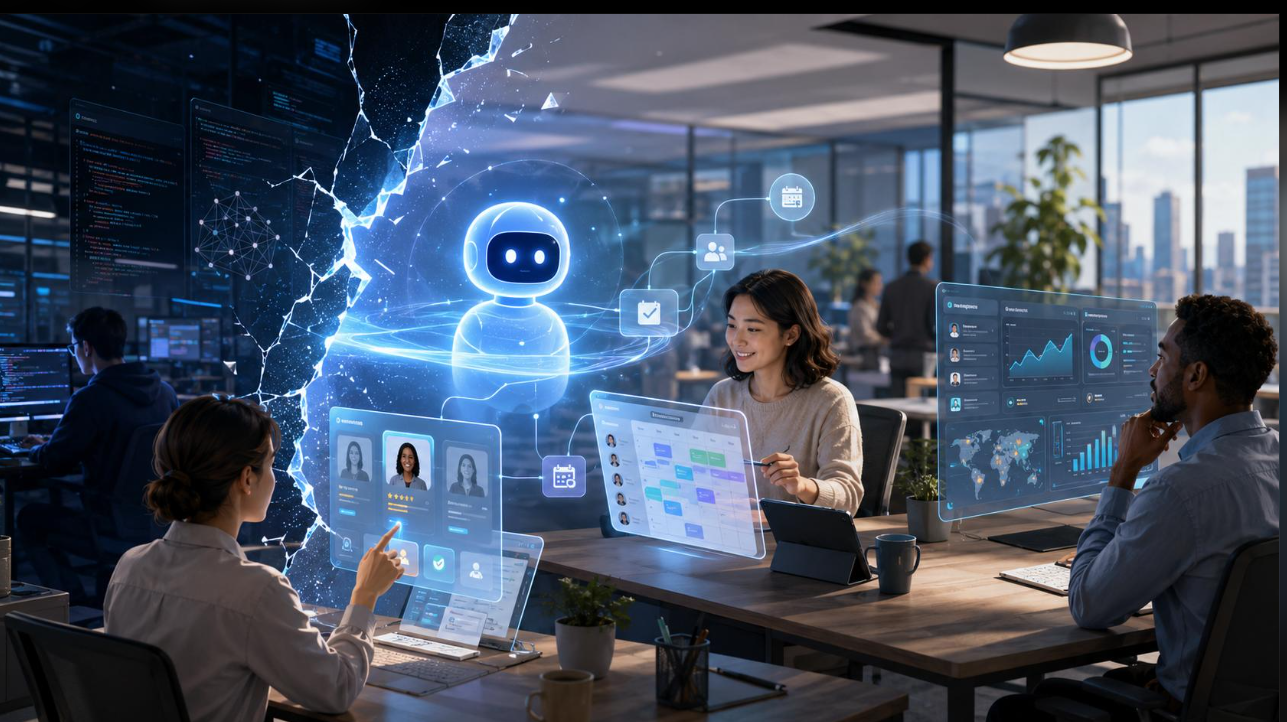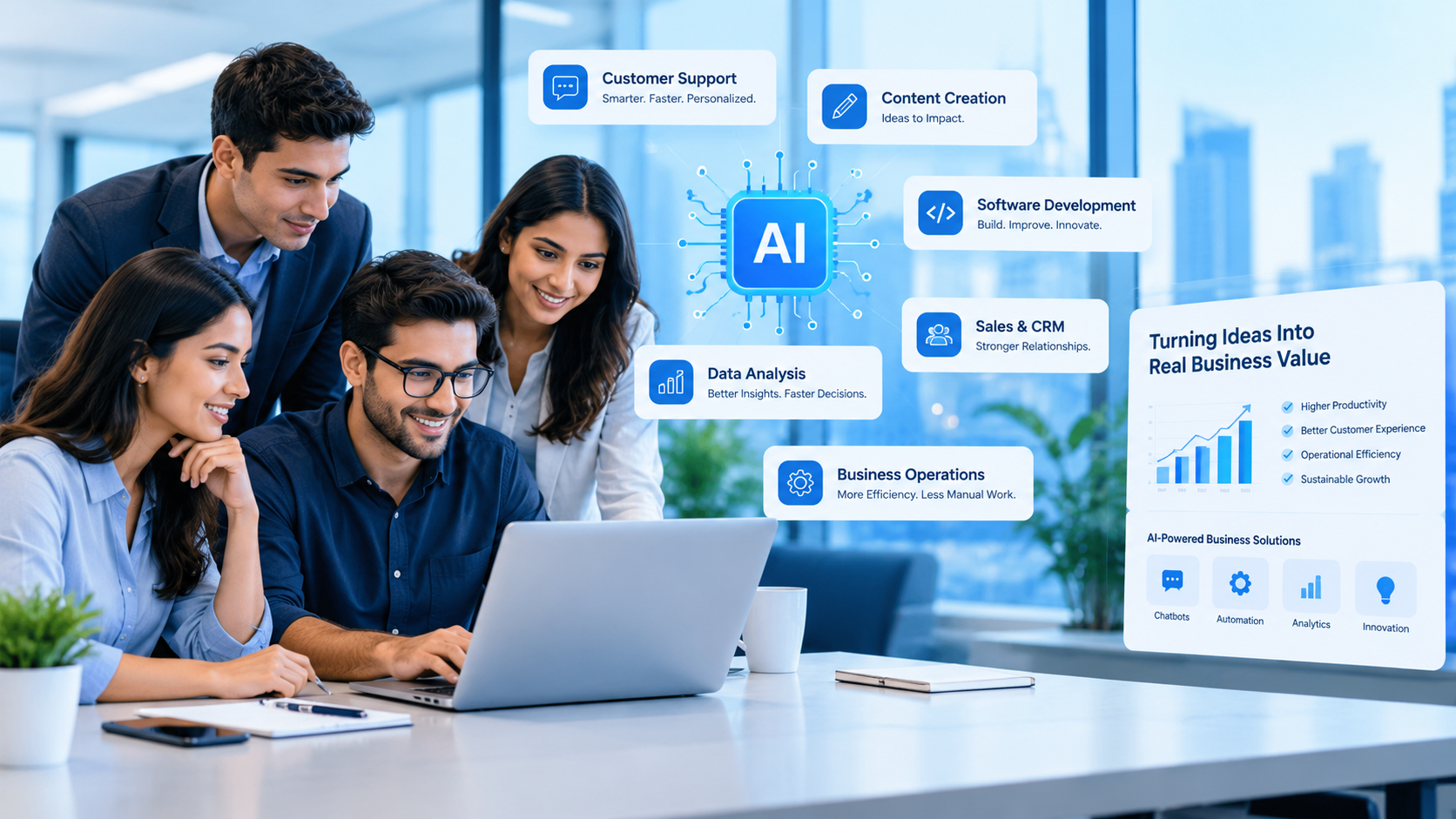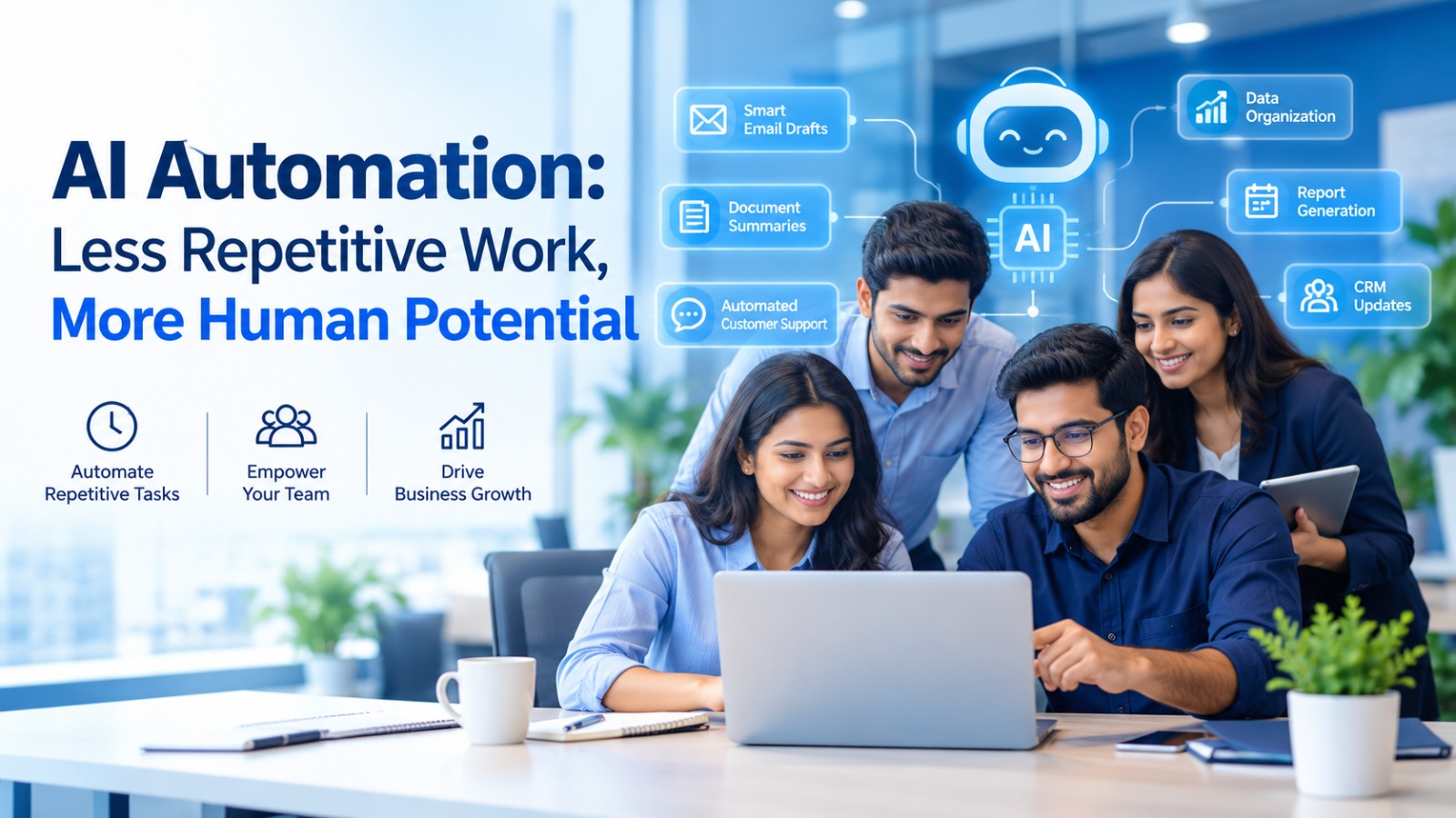
Artificial intelligence is rapidly transforming how businesses manage operations, automate workflows, and make decisions. While traditional AI tools are designed to perform individual tasks, businesses are increasingly exploring a more advanced approach: getting specialized AI bots to collaborate. Instead of relying on one general-purpose AI system to handle everything, organizations can build multiple specialized AI agents that work together, share information, and complete complex tasks more efficiently. This approach is commonly known as multi-agent AI systems or AI agent collaboration.
What Are Specialized AI Bots?
Specialized AI bots are artificial intelligence agents designed to perform specific tasks within a larger business or technological environment. Each agent focuses on a particular function based on its capabilities, training, and access to relevant information. For example, one AI agent might specialize in collecting customer data, another might analyze business trends, while a third could generate reports or recommend suitable strategies. By assigning different responsibilities to different agents, businesses can create a more organized and efficient AI-powered workflow.
Unlike a single AI chatbot that attempts to answer every question or perform multiple tasks independently, specialized AI agents operate within clearly defined roles. They can communicate with other agents, exchange relevant information, and coordinate their actions to achieve a shared objective.
How Do Multiple AI Agents Collaborate?
AI agent collaboration works through communication, task delegation, information sharing, and coordinated decision-making. When a complex task is introduced, a coordinating agent can break it into smaller activities and assign each activity to the most suitable specialized agent. These agents then perform their assigned responsibilities and share their results with the other agents involved in the process.
For instance, an e-commerce business might use a group of specialized AI bots to manage its customer experience. A customer support agent could identify a customer's concern, a product recommendation agent could suggest relevant products, and an inventory management agent could check product availability. A coordinating agent could then combine these findings to provide a complete response or initiate the next step.
This collaborative structure allows organizations to automate workflows that would otherwise require several manual processes and different software applications.
Benefits of Getting Specialized AI Bots to Collaborate
One of the biggest advantages of AI agent collaboration is improved operational efficiency. Rather than expecting a single AI model to manage every responsibility, businesses can distribute tasks among agents with specific expertise. This division of work can reduce processing time, minimize repetitive activities, and improve overall workflow management.
Another important benefit is scalability. As a business grows, its operational requirements become more complicated. Multi-agent AI systems make it possible to introduce additional agents for new responsibilities without completely redesigning the existing system. Businesses can expand their AI infrastructure according to their changing requirements.
Specialized AI bots can also improve accuracy and task performance. When agents focus on clearly defined responsibilities, they can use relevant tools, information, and instructions to complete their assigned tasks. Collaboration further allows the system to compare information and identify inconsistencies before producing a final result. However, appropriate validation and human oversight remain essential.
Furthermore, AI agent collaboration can support better decision-making. Different agents can examine the same business problem from different perspectives, such as financial performance, customer behaviour, market trends, and operational efficiency. Combining these insights can help organizations make more informed decisions.
Real-World Applications of Collaborative AI Agents
Multi-agent AI systems have applications across several industries. In digital marketing, for example, businesses can use specialized agents for keyword research, competitor analysis, content generation, SEO optimization, and campaign performance monitoring. Each agent handles a particular stage of the marketing process, while a coordinating system brings the results together.
In customer relationship management (CRM), AI agents can assist with lead qualification, customer communication, sales forecasting, and follow-up scheduling. A lead research agent can collect relevant information, while a scoring agent evaluates potential customers based on predefined criteria. Another agent can help sales representatives prioritize follow-ups.
In healthcare administration, collaborative AI agents can support appointment scheduling, document organization, patient communication, and administrative workflows. In finance, specialized agents can assist with transaction analysis, financial reporting, risk identification, and compliance checks, subject to appropriate controls and regulatory requirements.
Manufacturing and supply chain businesses can also benefit from collaborative AI systems. Different agents can monitor inventory, analyze demand, track deliveries, and identify potential supply chain disruptions. Sharing information between these agents can help businesses respond to operational challenges more effectively.
Challenges of Implementing Multi-Agent AI Systems
Despite their advantages, getting specialized AI bots to collaborate comes with several challenges. One major concern is communication between agents. If agents use different data formats, systems, or communication protocols, sharing information can become difficult. Businesses need a well-designed architecture that establishes how agents exchange information and coordinate their activities.
Another challenge is maintaining data security and privacy. When multiple agents access business databases, customer information, or internal systems, organizations must establish clear access permissions and security policies. Each agent should only receive the information and permissions necessary to complete its assigned tasks.
Coordination is equally important. Without proper instructions and task management, multiple agents may repeat the same activities, produce conflicting recommendations, or become stuck in unnecessary communication loops. A central orchestration mechanism, clear responsibilities, and defined stopping conditions can help prevent these problems.
Cost management is another consideration. Running multiple AI agents can increase API usage, computing requirements, and infrastructure expenses. Businesses should evaluate whether agent collaboration provides enough value to justify its implementation costs.
Best Practices for Building Collaborative AI Agent Systems
Businesses interested in implementing multi-agent AI systems should begin by identifying workflows that involve multiple tasks and require different types of expertise. Rather than automating an entire business operation immediately, organizations can start with a small project involving two or three specialized agents.
Defining clear roles is essential. Each agent should have a specific responsibility, defined instructions, and access to the tools required for its tasks. A coordinating agent can manage task assignments, monitor progress, and combine outputs from individual agents.
Organizations should also establish communication protocols and shared data structures to ensure that agents exchange information consistently. Testing the system with realistic scenarios can help identify errors, unnecessary communication, and performance limitations before full deployment.
Human supervision should remain part of the process, particularly when AI agents handle financial decisions, sensitive customer information, or other high-impact activities. Businesses should introduce approval mechanisms for important actions and regularly evaluate the performance of individual agents as well as the overall system.
The Future of AI Agent Collaboration
The future of artificial intelligence is moving beyond standalone chatbots toward connected systems capable of completing complex, multi-step workflows. As AI models, automation platforms, and agent orchestration technologies continue to develop, specialized AI bots are expected to become increasingly useful for businesses looking to improve productivity and operational efficiency.
The growing adoption of multi-agent AI architecture could transform how organizations approach customer service, marketing, software development, business intelligence, and enterprise automation. Instead of depending on a single AI assistant, businesses will be able to create coordinated digital teams in which every agent contributes specialized knowledge and capabilities.
However, successful AI collaboration will depend on more than simply connecting multiple bots. Effective communication, reliable data, strong security, clear task allocation, and human oversight will determine whether these systems deliver meaningful results.
Conclusion
Getting specialized AI bots to collaborate represents an important development in business automation and artificial intelligence. By combining agents with different capabilities, organizations can distribute complex tasks, streamline workflows, improve productivity, and support better decision-making. Although challenges involving coordination, security, reliability, and implementation costs remain, a carefully designed multi-agent system can provide significant long-term value.
For businesses exploring the next generation of AI-powered solutions, understanding how specialized AI agents communicate and work together is an important step toward building smarter, more scalable, and efficient digital operations.
To read more such articles kindly visit : Devobyte